Taranto was founded by the Spartans in the 8th century BCE and it is the only colony ever founded on the Italian coast by Sparta. It was among the most important in Magna Grecia, and it became a cultural, economic and military power. The name of the city is derived from the tarantula spider; fortunately, we haven’t seen any so far. There are also supposed to be lots of dolphins in the surrounding Ionian Sea: unfortunately, we haven’t seen any dolphins, except in Greek and Roman sculptures.
We made a late afternoon tour of the oldest part of Taranto on Sunday...the original Spartan settlement. The only remaining evidence of Greek architecture is two Doric columns from a Greek Temple, the Temple of Poseidon. I normally like to wander around narrow streets in the vecchia città, but the old part of Taranto, dating from the 11th century to the 17th/18th centuries, is largely unpopulated, with at least a third of the buildings in ruins, and some only standing because steel girders are reinforcing them. There are some newer, Mussolini era apartment blocks from the 1930s, and by now, most of them are showing their age. Since the city went bankrupt around 2005, it’s not clear where the money would come from to save this città vecchia. Moreover, with nearby oil refineries and a steel plant that produces 90 percent of Italy’s dioxins, it is not a healthy place to live.
So why are we here? Taranto, in 500 BCE was one of the largest cities in the world, with a population of around 300,000. Who knew? The National Archeological Museum’s Collection is among the best in the country, drawing on Taranto’s rich history. Taranto had a major pottery industry during the Greek episode, and issued its own coins. And around 272 BCE, Taranto became a Roman City (only after it had taken the wrong side with Hannibal during the Phoenician/Roman wars for domination of the peninsula). And the Aragonese Castello is another draw to the city. And Taranto is perhaps the second most important naval base in Italia today (in fact, the Italian Navy occupies the Castello St. Angelo.
The more modern/historic part of the city, where our B&B is located, dates from around the 1850s to 1900. It’s where there was a Roman settlement, so the streets are in a grid pattern, with some wide avenues, and the Main Street had several blocks of a pedestrian zone. Reminicient of Torino.
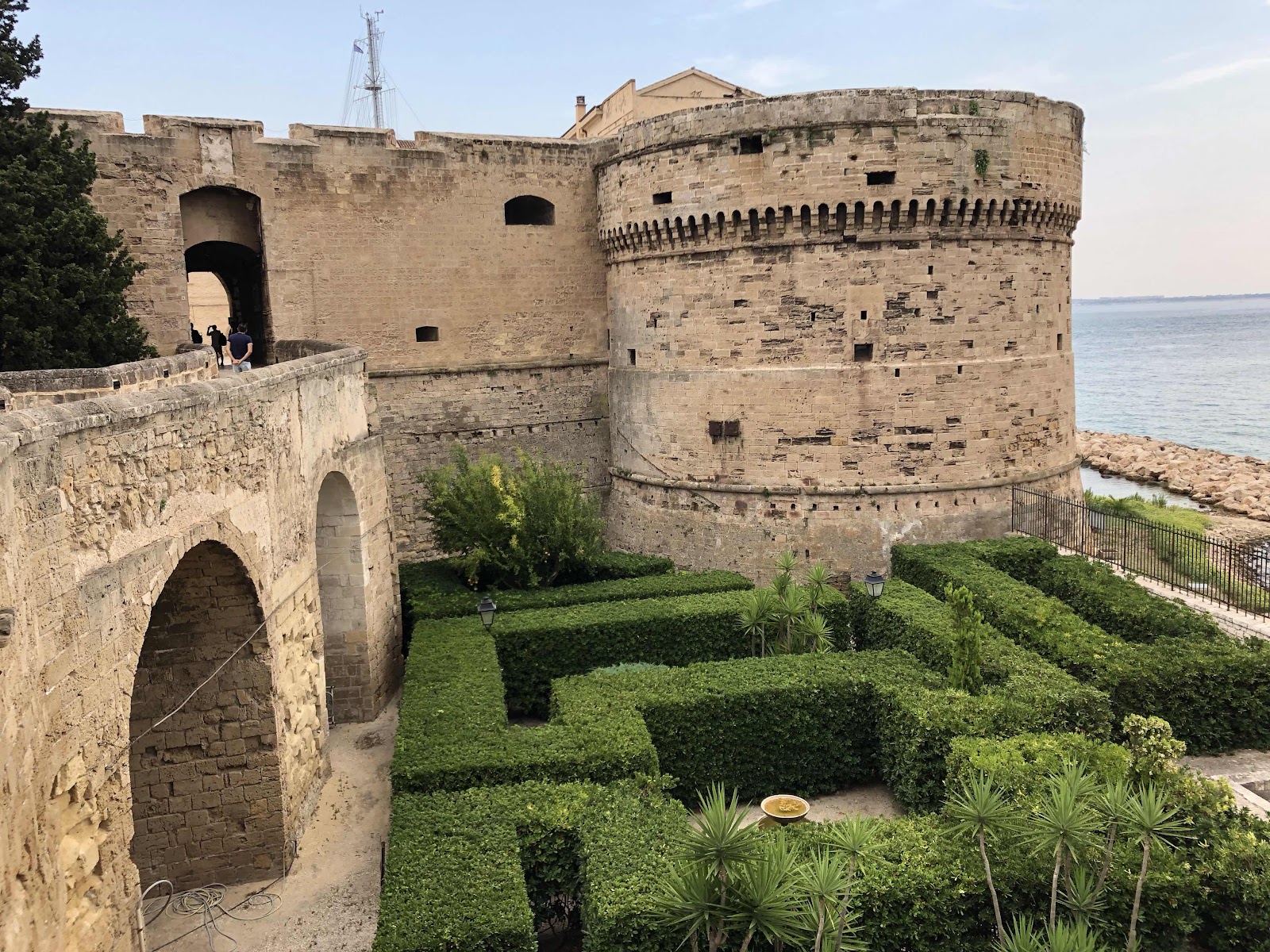
Castello St. Angelo, 1492. Castle walls are 25 feet thick to withstand 15th century Saracen naval artillery

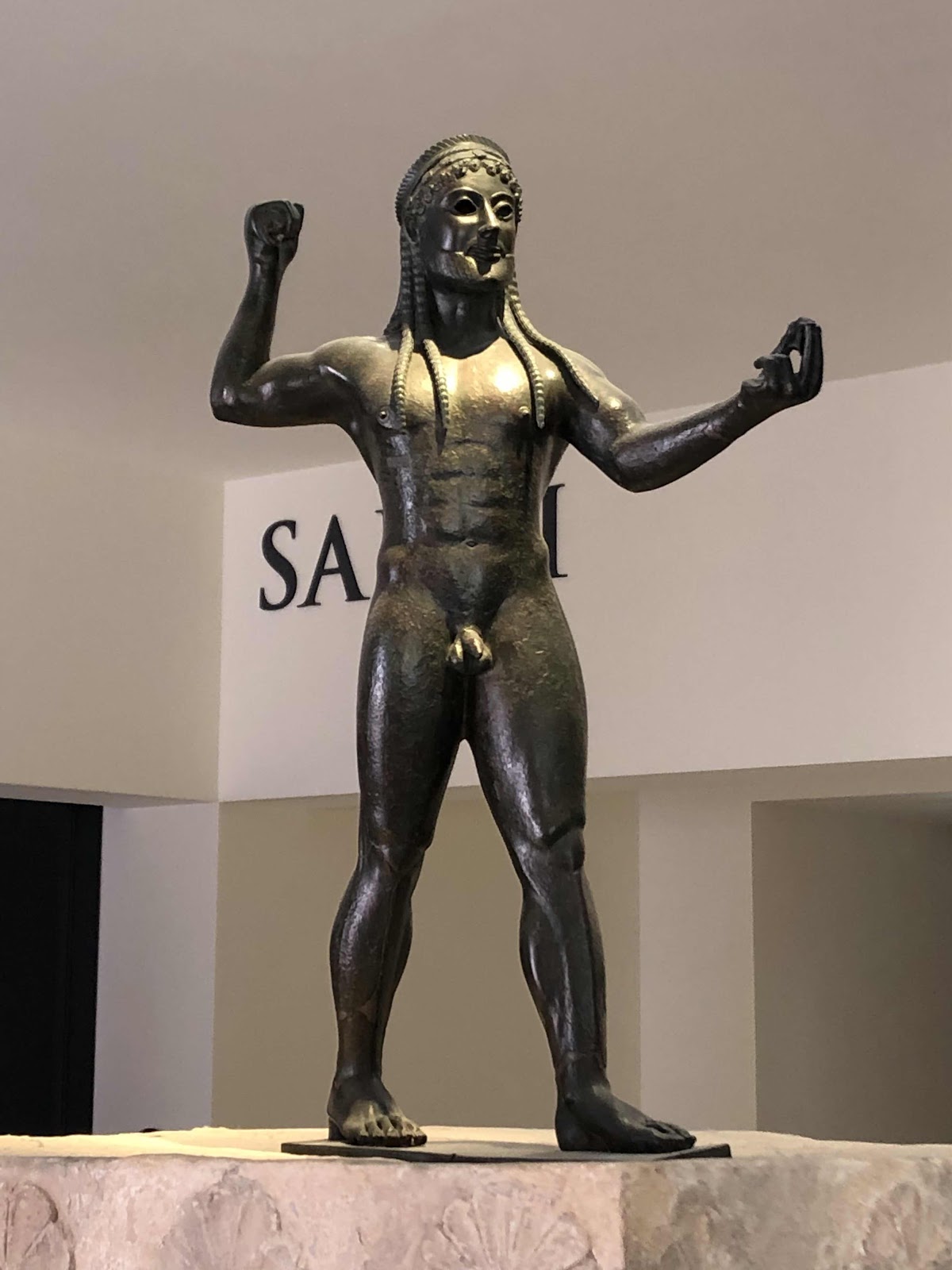
Zeus, from Greek settlement of Taranto, 5th - 6th century BCE
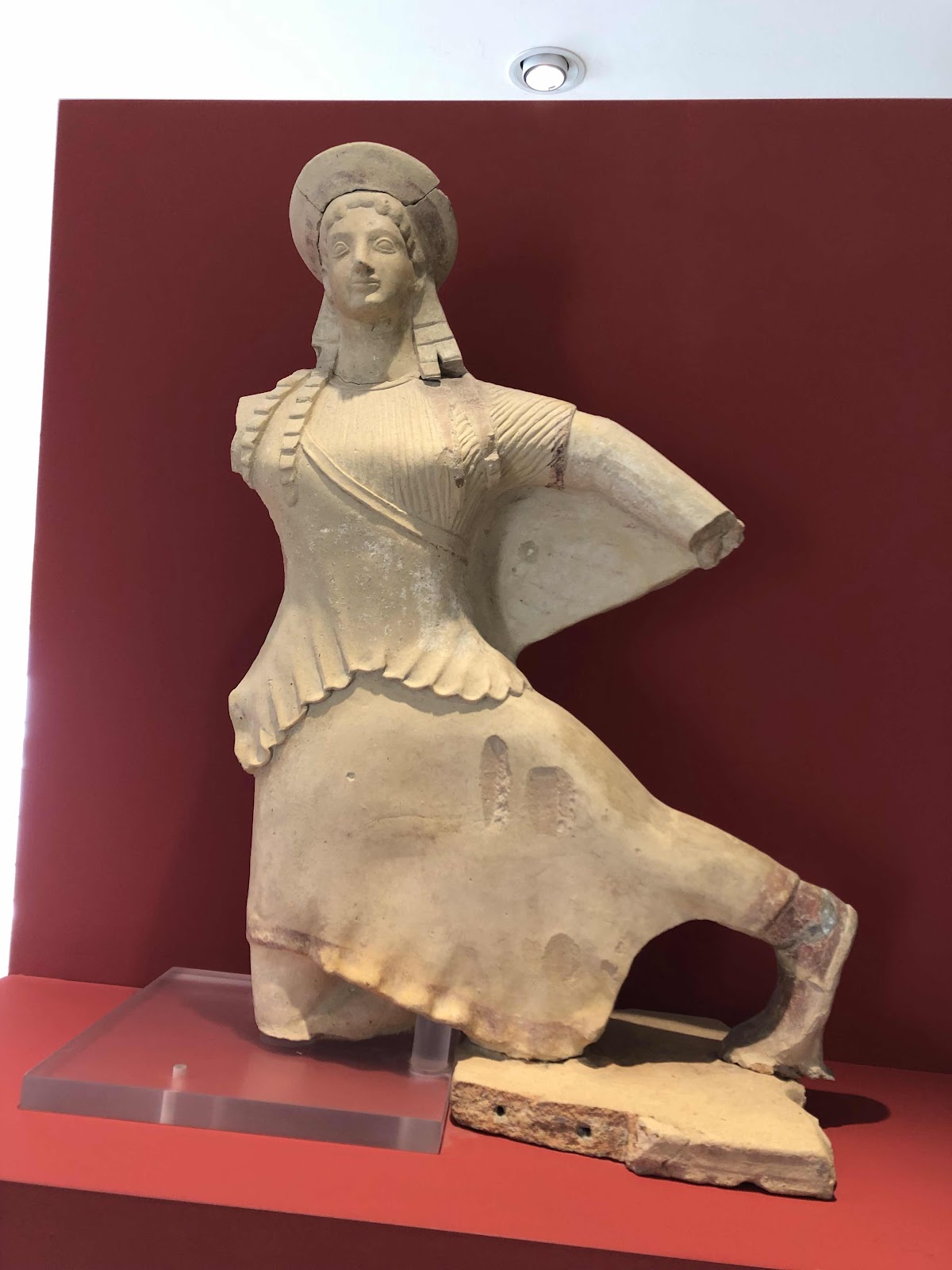
Greek sculpture, architectural detail, 5th century BCE
Greco Roman Battle scene sculpture, 3rd century BCE

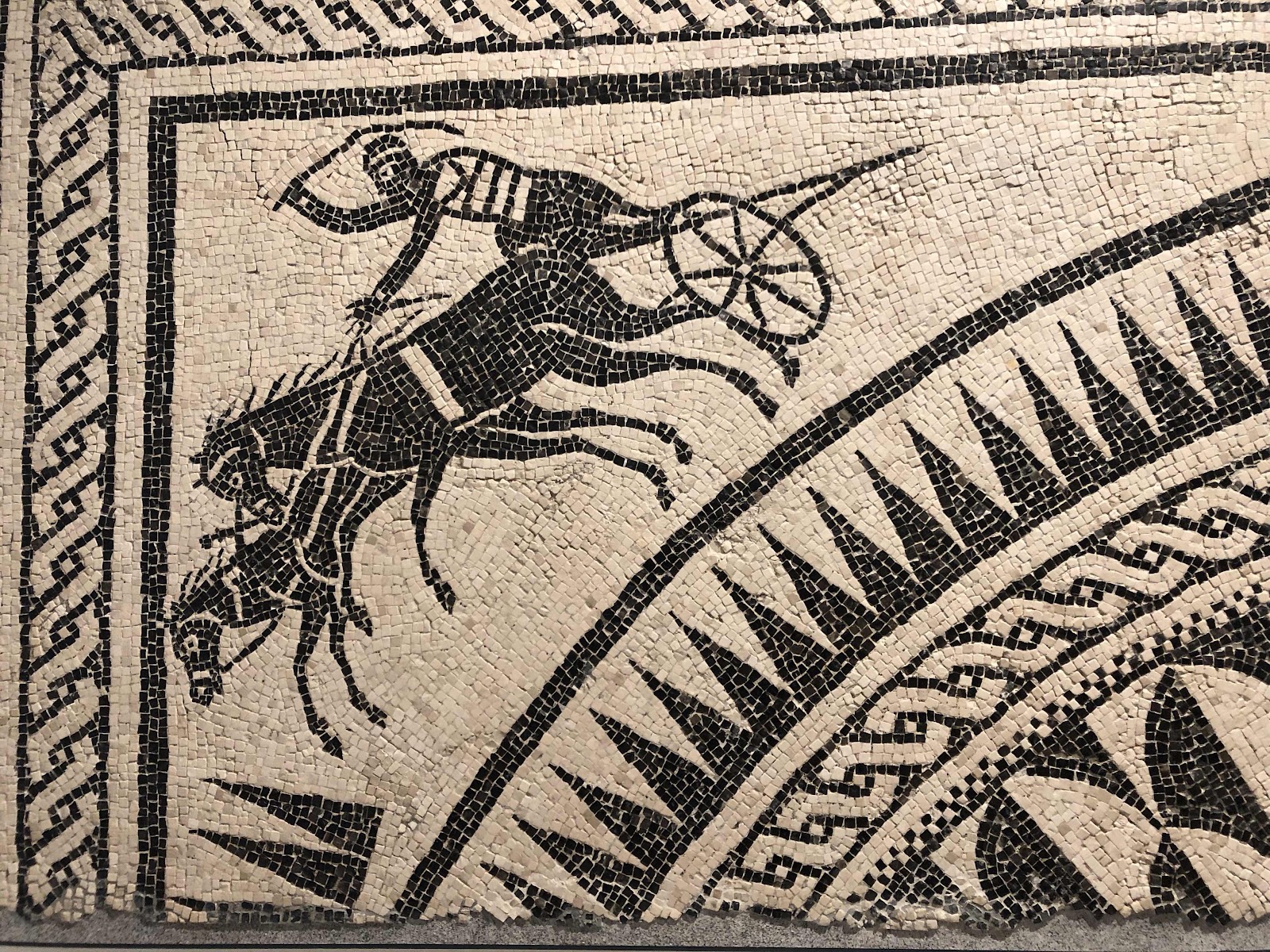
Roman floor mosaics, 1st / 2nd century BCE

The “modern” Taranto, 18th /19th century Taranto, Piazza Maria Immaculata

Ciao,
David

No comments:
Post a Comment