
And this is a sasso dwelling from about 1950 that housed a family of nine...plus an animal or two.

2
 is
is
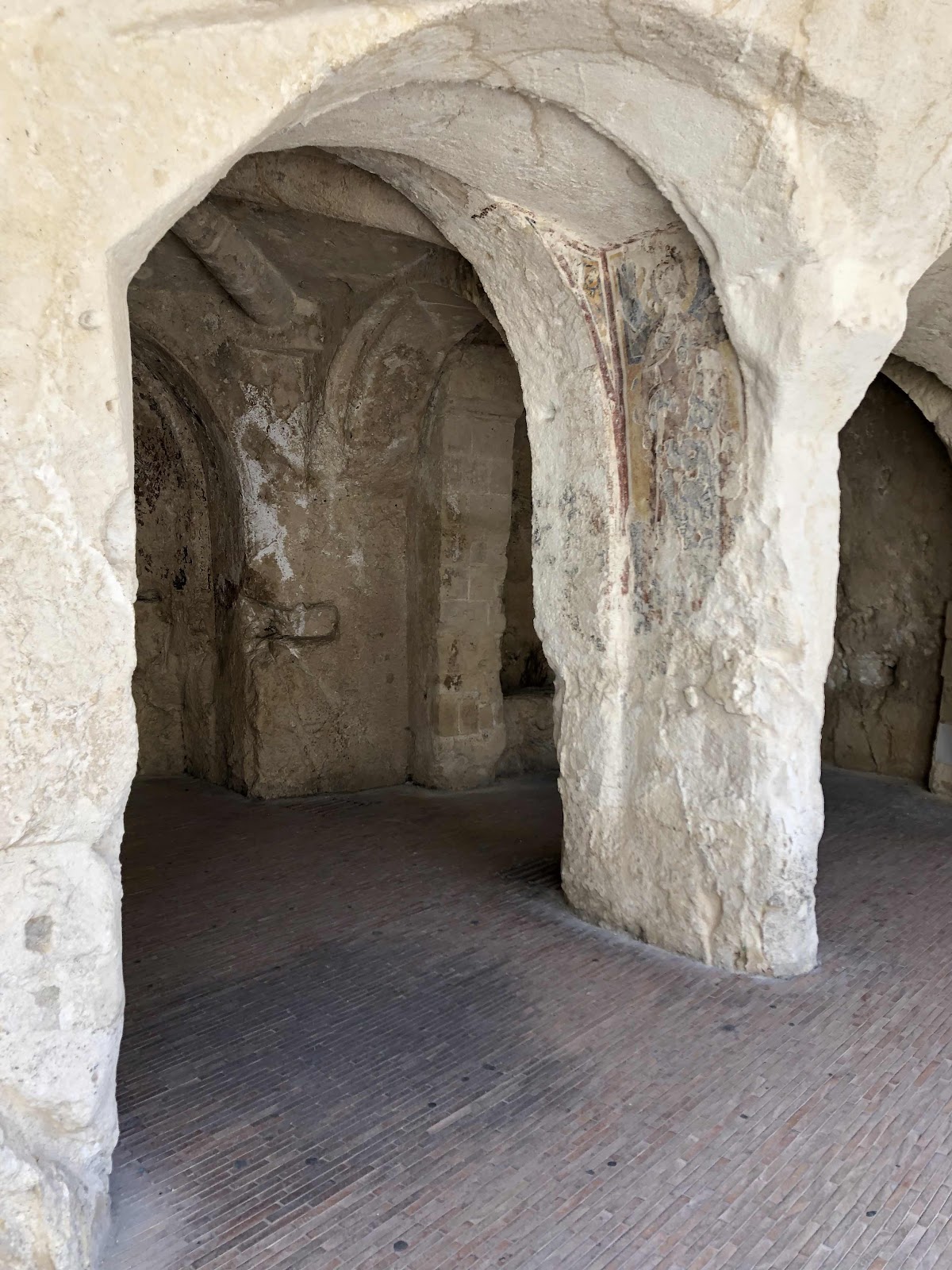
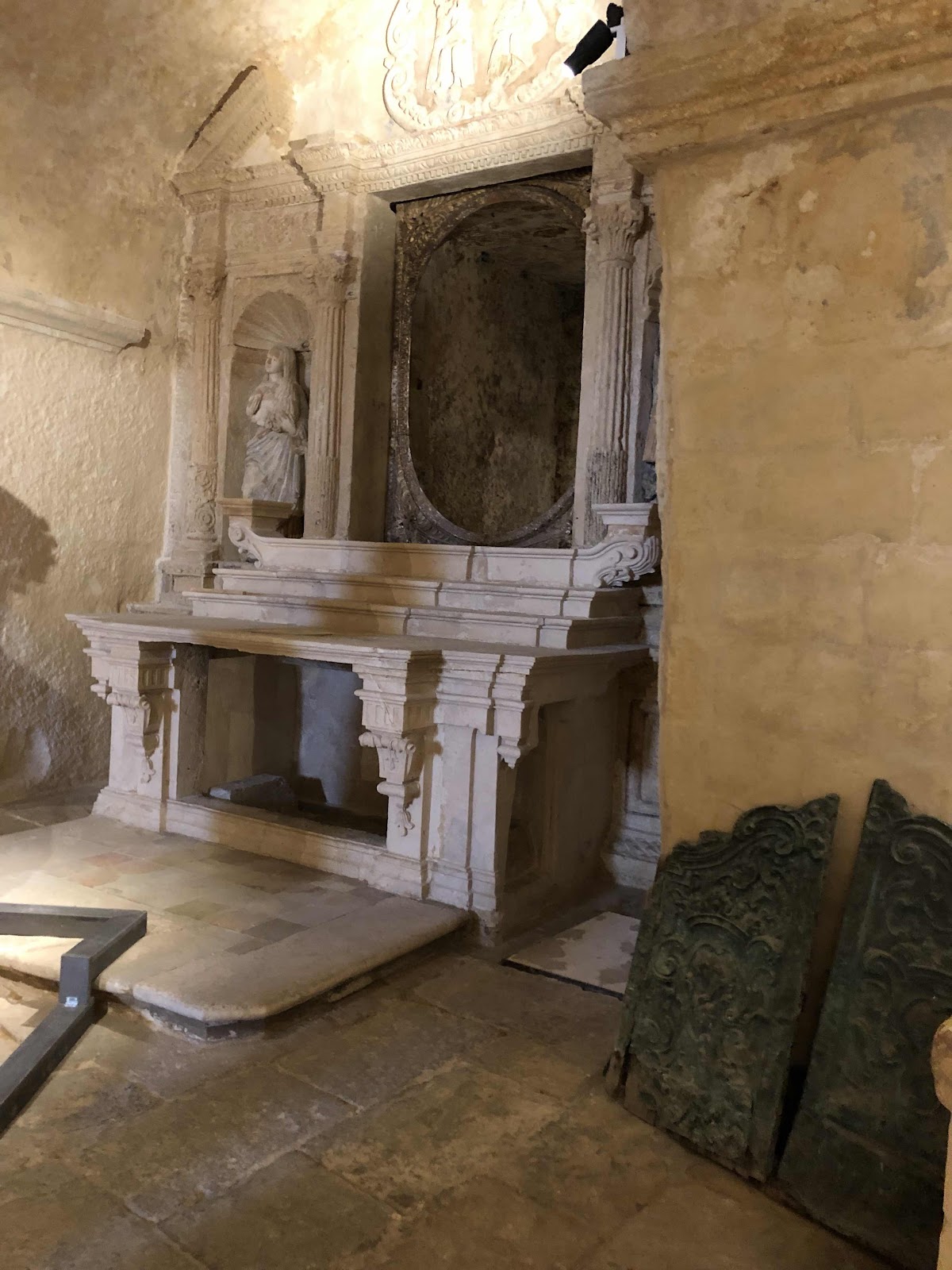
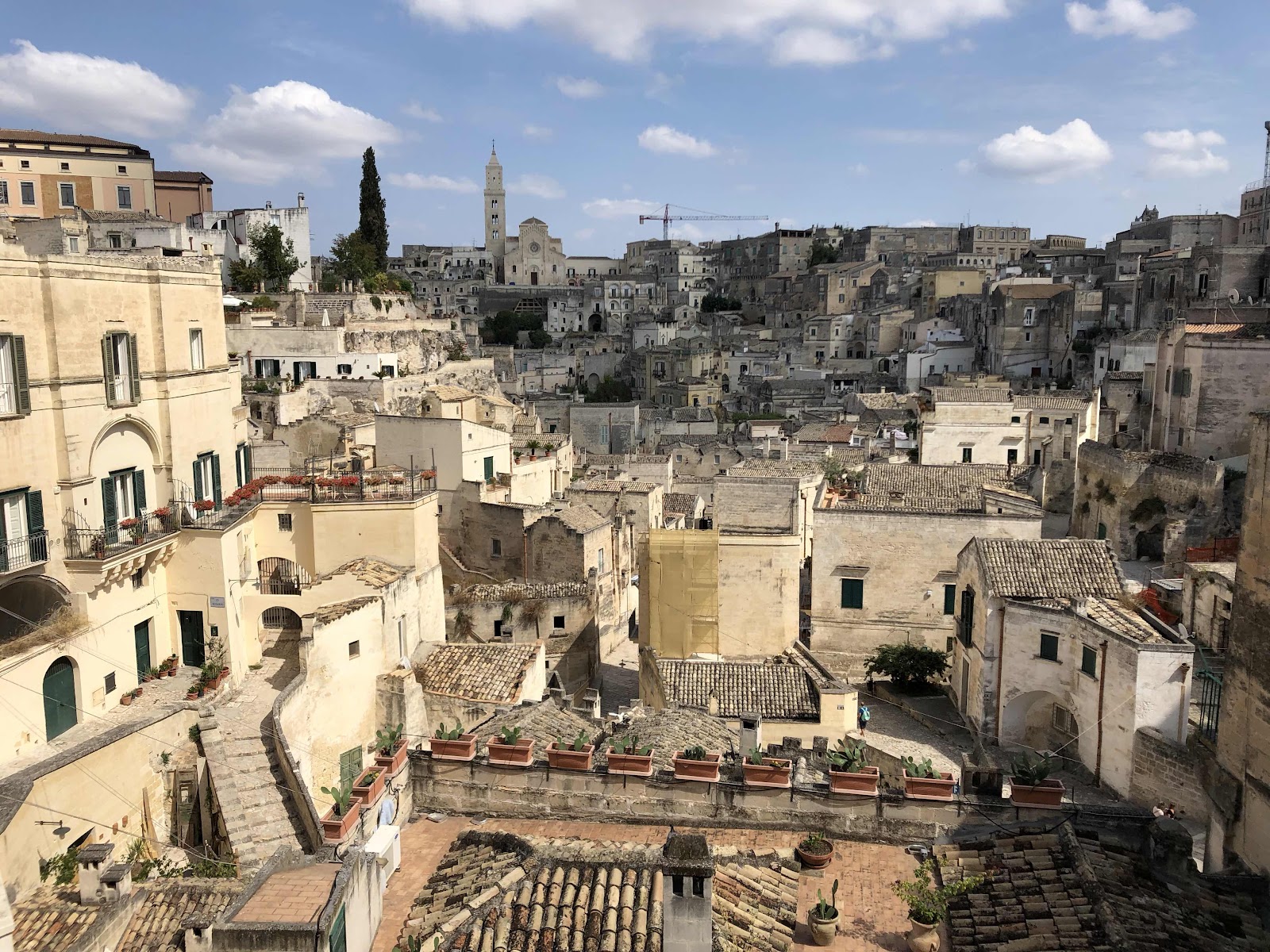
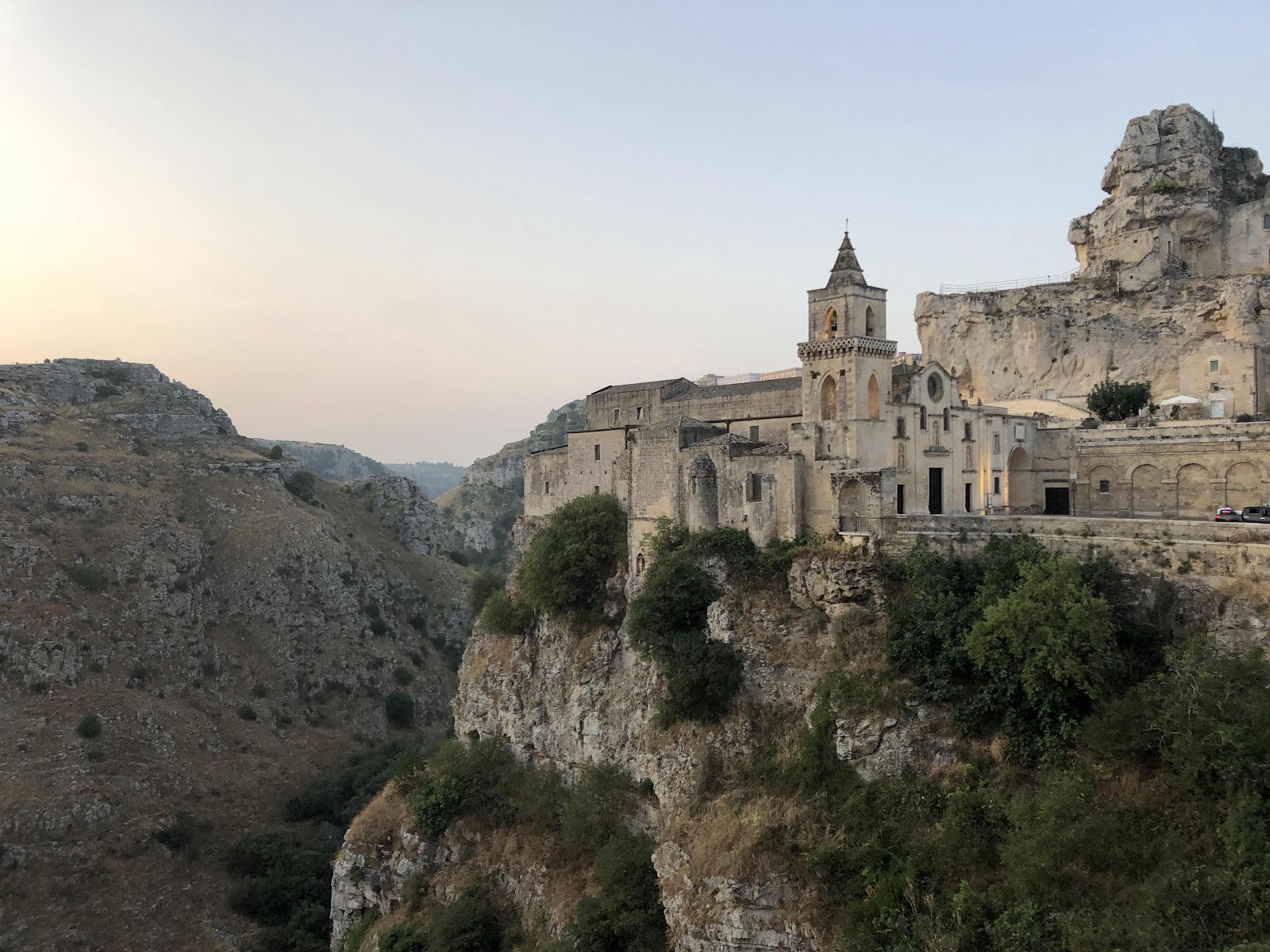
Matera is built on the sides and top of a few ravines/canyons, so it can be difficult to go from one part of the town to another. Everything is made of stone, the houses, the roads, the sidewalks...everything. Early settlers transitioned from hunter/gatherers to an agriculture economy, and as other settlements in Lucano (Puglia and Basilicata), were later Greek, Norman, Saracen, Roman, etc. areas, and became Christianized, as can be seen by the “rupestri” cave churches cut into the stone. Some of these early churches still have some fresco paintings, and were used for church services until around 1278 or so.
Here are a few examples of “rupestri” cave churches

Matera has an incredible network of underground water channels and cisterns called the Palombaro Lungo. It’s a huge water reserve fed by springs and rainwater...an engineering feat...centuries old that gave Matera the special World Heritage Site status. This gigantic cistern, carved from rock is about 50 feet deep, and was often filled to the top.

Matera is the kind of city where you wander around the narrow streets...up...up...up...and then you reach a plateau of the newer part of the city, than you wend your way down back to the sassi. It doesn’t matter if you are lost for a while, because eventually you see a landmark church or a main street to get your bearings again. A few more photos of Matera, then it’s addio Matera, on our way to Paris via Bari (with a bit of extra drama involving a strike by Alitalia, disrupting our Bari to Rome flight.


Ciao,
David & Virginia

No comments:
Post a Comment